Skilled-trade programmes explained
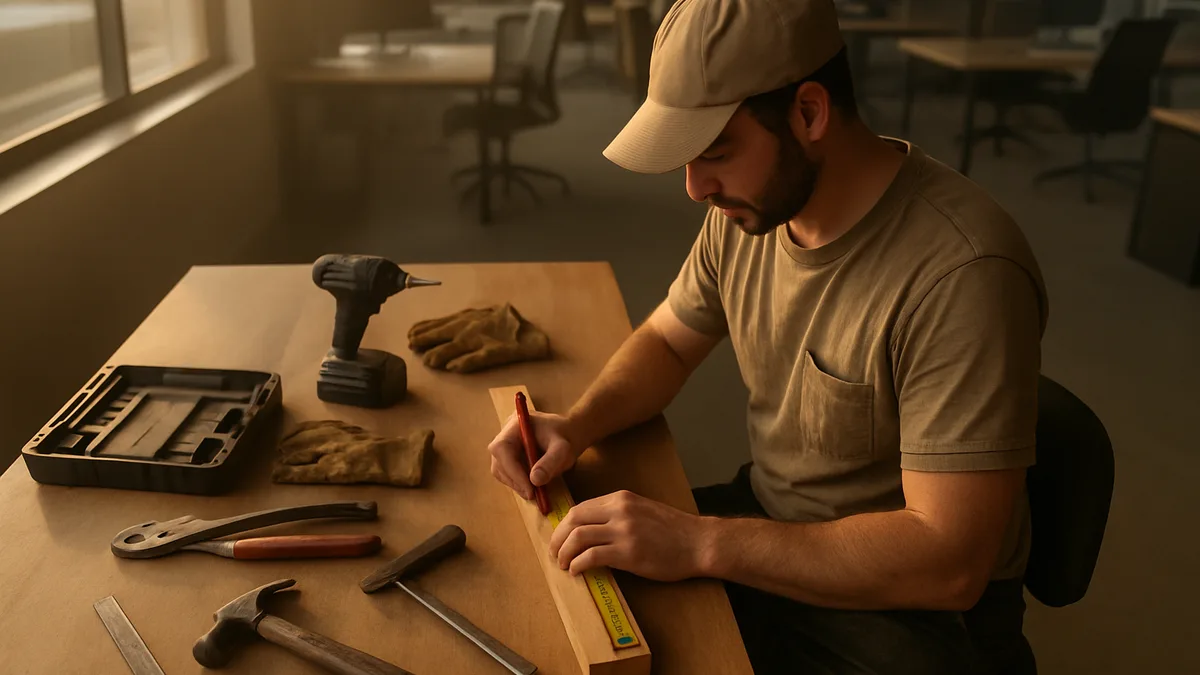
What is a skilled-trade training programme?
A skilled-trade training programme is a structured course designed to teach practical, hands-on abilities needed to work in a specific manual or technical profession. Unlike broad academic degrees that focus on theory, these programmes concentrate on the competencies employers need on the job. They combine workshop practice, supervised tasks and enough underlying knowledge to help learners understand why techniques work, not just how to perform them.
In France, such programmes are offered through vocational schools, apprenticeship centres (centres de formation d'apprentis), continuing-education providers and private training organisations. Some are short and targeted at a single skill, while others span one or two years and lead to recognised diplomas. Many are open to school leavers, career changers and employees seeking to upgrade their qualifications.
The defining feature is the emphasis on doing. A plumbing learner installs and tests real pipework; an electrician wires a training panel; a welder joins metal under supervision. This learning-by-practice approach helps build muscle memory, confidence and the problem-solving habits that trade work demands. Because the trades are practical, assessment usually involves demonstrating a task rather than writing an essay.
Common types of skilled trades covered
Skilled-trade programmes span a wide range of sectors, and the choice available depends on regional demand and the training provider. Construction trades are among the most common, including bricklaying, carpentry, plastering, roofing and tiling. These roles remain in steady demand because buildings constantly need construction, renovation and maintenance.
Building-services trades form another large group: electricians, plumbers, heating and ventilation technicians, and increasingly specialists in renewable systems such as heat pumps and solar installations. As energy-efficiency standards tighten, programmes in this area often add modules on modern, low-carbon technologies.
Mechanical and manufacturing trades include automotive repair, metalworking, welding, machining and industrial maintenance. Personal-service and craft trades such as hairdressing, beauty, baking, catering and cabinet-making also fall under the skilled-trade umbrella. Finally, emerging fields like electric-vehicle servicing, building-automation and network cabling are creating new programme options. When exploring your choices, it helps to consider both your interests and the local labour market, since some trades have stronger regional demand than others.
Practical skills you can expect to learn
The core of any skilled-trade programme is practical competence, but the exact skills vary by trade. Across most programmes, however, you can expect to develop several common capabilities. First is safe use of tools and equipment: learning to handle power tools, machinery and materials without injuring yourself or others, and understanding the relevant safety regulations for your trade.
Second is technical procedure. A learner studies the standard methods for a task—how to measure, cut, join, install, test and finish—and practises them until they become reliable. For example, an electrician learns to read wiring diagrams, size cables and test circuits, while a carpenter learns to interpret plans, mark timber accurately and produce clean joints.
Third is problem-solving and fault-finding. Real work rarely goes exactly to plan, so programmes train you to diagnose issues, adapt to unexpected conditions and repair faults. Fourth is quality and standards awareness: understanding the codes, tolerances and inspection requirements that define acceptable work. Alongside these technical skills, most programmes also build workplace habits such as time management, reading specifications, working tidily, communicating with clients and estimating materials—all of which matter as much as manual dexterity when you begin working.
Who these programmes are suited to
Skilled-trade programmes suit a broad range of people, which is part of their appeal. School leavers who prefer practical learning over classroom study often find them a natural fit, especially those who enjoy seeing tangible results from their work. For these learners, an apprenticeship route can combine training with paid work experience.
Career changers are another important group. Adults looking to move out of office work, or those whose previous sector has declined, frequently retrain in a trade because the skills are transferable and the demand is steady. Many providers offer flexible or intensive formats designed for adults balancing family and financial commitments.
Existing employees also use these programmes to upgrade or specialise—for instance, a general maintenance worker training in a specific electrical certification, or a builder adding an energy-efficiency qualification. The programmes tend to reward people who are patient, methodical and comfortable working with their hands. Physical stamina and attention to detail help, though the specific demands vary widely between, say, precision cabinet-making and heavier construction work. If you are unsure whether a trade suits you, short taster courses or work-shadowing can be a sensible first step.
How programmes are typically structured
Most skilled-trade programmes blend theory and practice, though the balance leans heavily toward practice. A typical structure begins with foundational modules covering safety, tools, materials and basic techniques. Learners then progress to more advanced tasks, often organised around realistic projects that mirror actual jobs.
Delivery formats vary. Full-time programmes run over months or a couple of years and are common for younger learners. Apprenticeships alternate periods at a training centre with periods working for an employer, so learning is reinforced immediately on the job. Part-time and evening courses suit working adults, while short intensive courses focus on a single competency or certification.
Assessment is largely practical. You may be asked to complete a set task to a defined standard, produce a finished piece of work, or pass a combination of practical and written tests. Many programmes include a period of workplace experience or a stage, giving learners exposure to real conditions and helping them build the professional contacts that often lead to employment. Progress is usually staged, so you can see clear milestones as your skills develop.
Certifications and qualifications explained
Qualifications give employers a recognised signal of what a learner can do. In France, common vocational qualifications include the CAP (certificat d'aptitude professionnelle), a widely respected entry-level diploma for many trades, and the professional Bac Pro for a broader, higher level of training. Continuing-education learners may earn a titre professionnel, a state-recognised certification awarded by the Ministry of Labour that focuses on specific occupational competencies.
Beyond these national diplomas, many trades require or benefit from specific certifications and authorisations. Electricians, for example, may need particular electrical-safety authorisations; gas or refrigeration work often requires specialised handling certificates. These are typically tied to safety regulations rather than a general education level, so they can be pursued independently of a full diploma.
It is worth checking which qualifications are actually required for the role you want, as opposed to those that are simply helpful. Some professions are regulated and legally require specific credentials to practise; others are open to anyone who can demonstrate competence. Reputable programmes will be clear about what qualification you earn and whether it is nationally recognised, so ask about this before enrolling.
How to choose a programme that fits your goals
Choosing the right programme starts with clarity about your objective. Are you aiming for a first job in a trade, changing careers, or adding a specialisation to an existing role? Your answer shapes whether you need a full diploma, an apprenticeship or a short certification course. Being honest about the time and budget you can commit is equally important, since formats range from a few weeks to two years.
Next, examine the content. A good programme lists the practical skills and the amount of hands-on time it provides. More workshop practice and access to realistic equipment generally means better preparation. Check the qualification awarded and confirm it is recognised for the work you want to do.
Consider the delivery format and how it fits your life—full-time, part-time or work-based learning each have trade-offs. Look into the provider's reputation, the experience of the instructors and whether the course includes any workplace placement, as real experience is highly valued by employers. Finally, weigh local labour-market demand: training in a trade that is sought after in your area improves your chances of finding work. Taking time to compare a few options, and asking providers direct questions, helps you invest in training that genuinely matches your goals.
Example
Common skilled-trade programme formats and who they suit
| Format | Typical duration | Best suited to |
|---|---|---|
| Full-time diploma (e.g. CAP) | 1–2 years | School leavers and career changers starting fresh |
| Apprenticeship | 1–3 years | Learners who want paid work experience while training |
| Part-time / evening course | Several months | Working adults balancing other commitments |
| Short intensive course | Days to weeks | Those upgrading a single skill or gaining a certificate |
| Titre professionnel | Varies | Adults seeking occupation-specific certification |
FAQ
Do I need prior experience to start a skilled-trade programme? Most entry-level programmes assume no prior experience and begin with foundational safety and tool skills. Some advanced or specialised certifications, however, may require an existing qualification or a certain level of practical background. Check the entry requirements before applying, as they vary by trade and provider.
How long does it take to qualify in a trade? It depends on the trade and the qualification. A full diploma such as a CAP often takes one to two years, apprenticeships can run longer, and short certification courses may take only days or weeks. Your chosen career goal determines which route, and therefore which timeframe, is appropriate.
Are skilled-trade qualifications recognised by employers? Nationally recognised qualifications such as the CAP, Bac Pro or titre professionnel are generally understood and valued by employers. Certain trades also require specific safety authorisations to practise legally. Always confirm that the qualification a programme awards is recognised for the work you intend to do.
Can I train in a trade while working another job? Yes. Part-time courses, evening classes and short intensive programmes are designed for people balancing work or family commitments. Apprenticeships also combine paid work with training. Consider how much time and energy you can realistically commit before choosing a format.
How do I know which trade is right for me? Reflect on the kind of work you enjoy, your practical strengths and local job demand. Taster courses, work-shadowing or speaking to people already in the trade can help you test your interest before committing. Choosing a trade that suits both your interests and the local market improves your prospects.
Read next
Read more